ECOSYSTEM
Research-based Art
Exploring Microplastics in Water
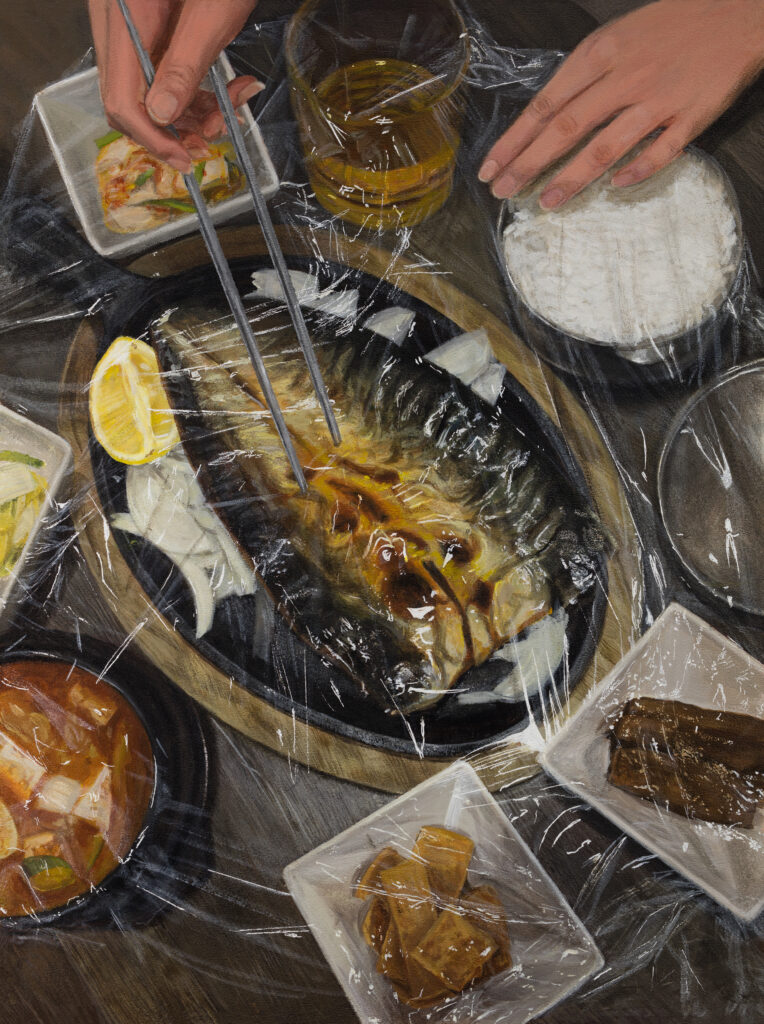
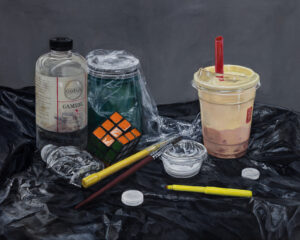
My interest in environmental art began with an ordinary bottle of water. After drinking from a plastic bottle that had been left in a hot car, I noticed that the water tasted strangely like plastic. That small moment led me to learn about microplastics in bottled water and food, and eventually to research their effects at school.
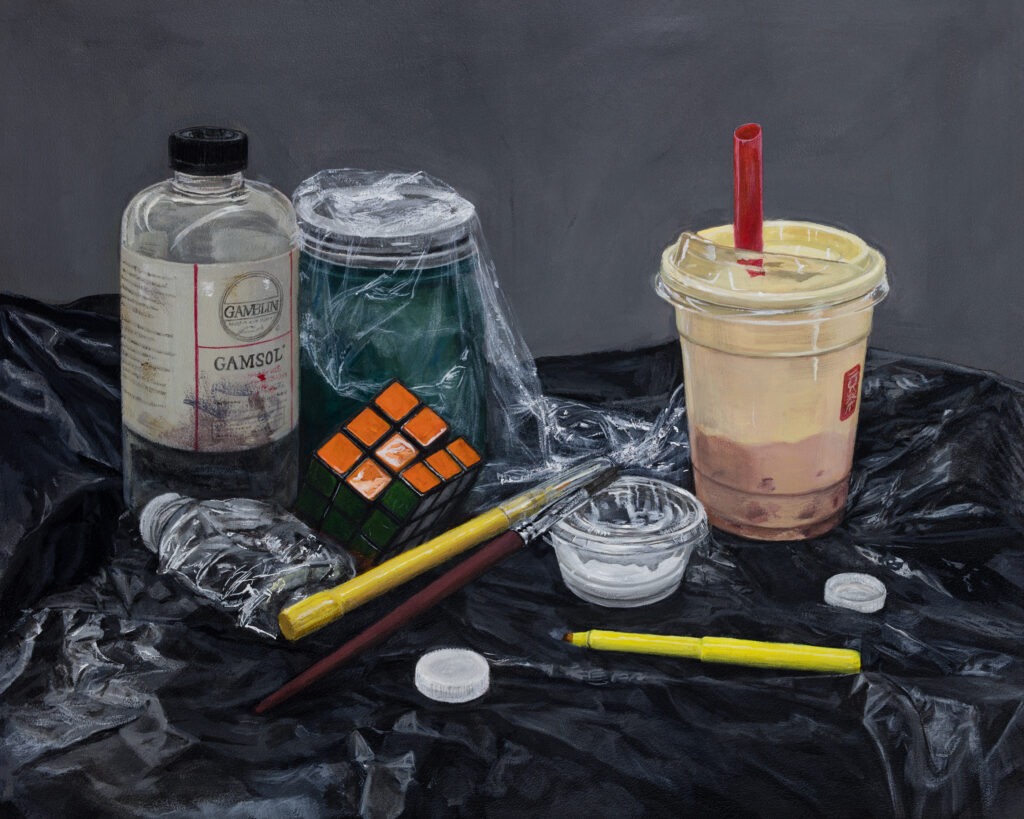
As I read more scientific papers, I became increasingly interested in how invisible pollutants move through the environment, enter what we consume, and ultimately reach the human body. My questions later expanded beyond microplastics to water contamination, including pollution in the Hackensack River near my school and contaminants such as PFAS.
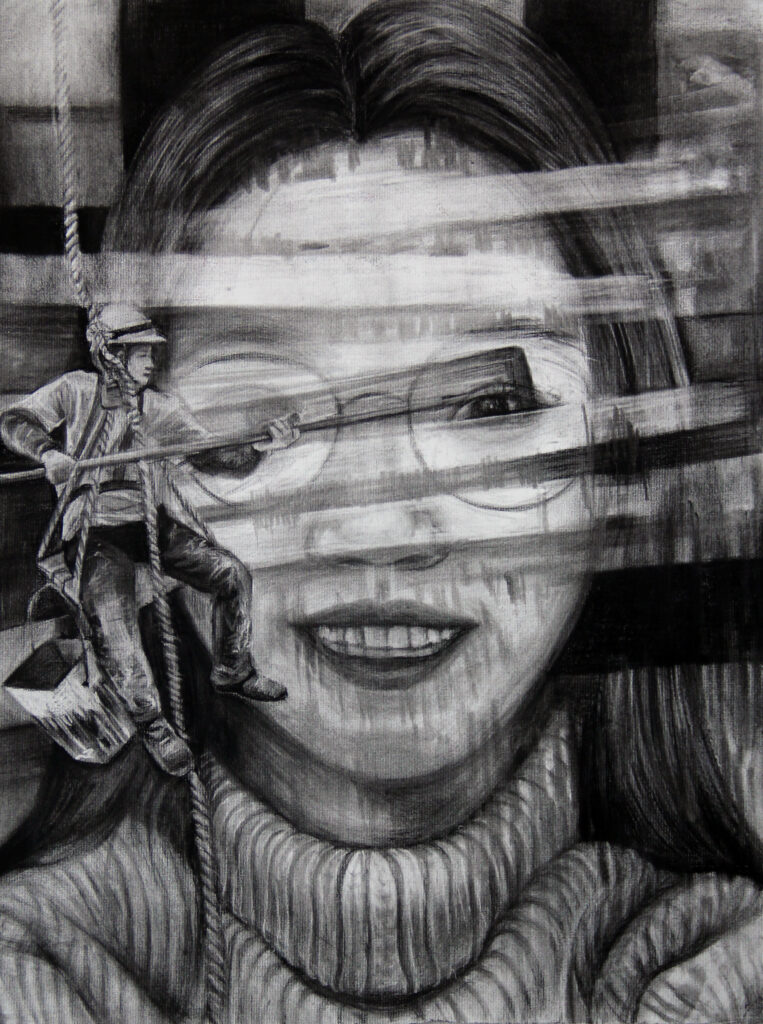
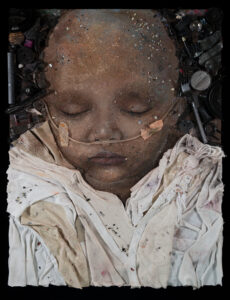
These ideas now shape much of my work. I often begin with familiar objects, people, or natural scenes, then introduce a detail or disruption that encourages a second look. Through painting and mixed media, I translate scientific evidence into visual and tactile forms, exploring the materials we depend on, the pollutants we cannot easily see, and the traces they leave behind.
I hope viewers first recognize something familiar, then pause, look more closely, and begin reconsidering the connections between human health and the environment.
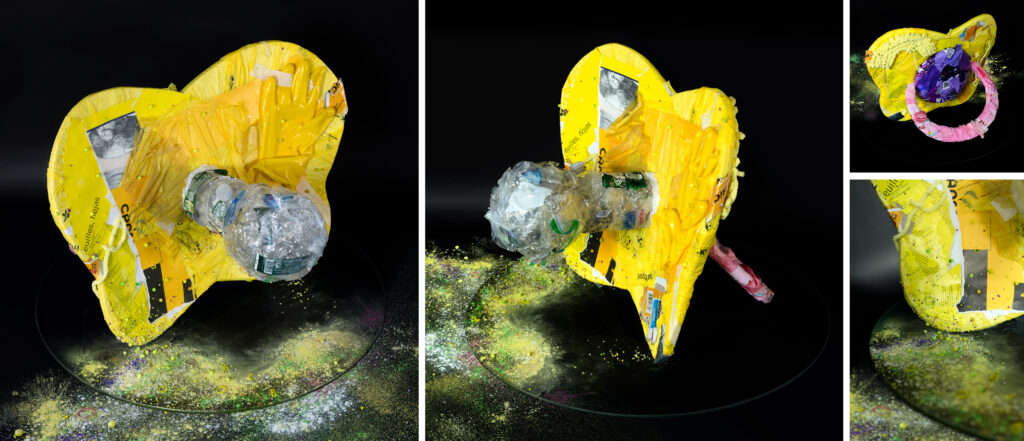
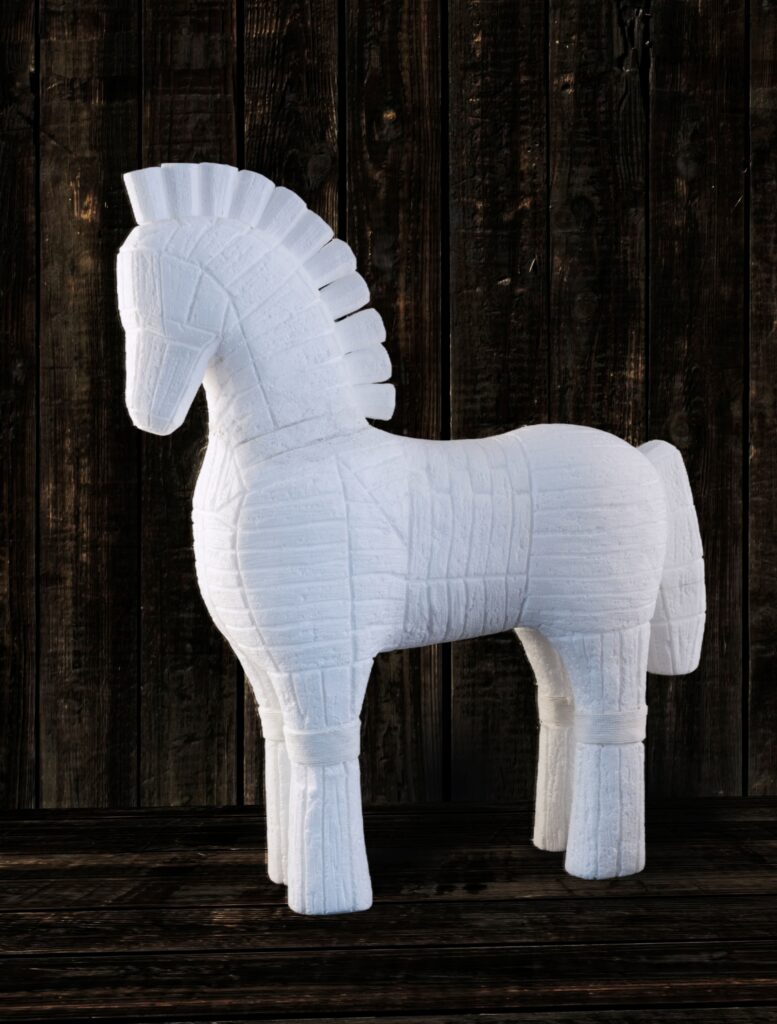
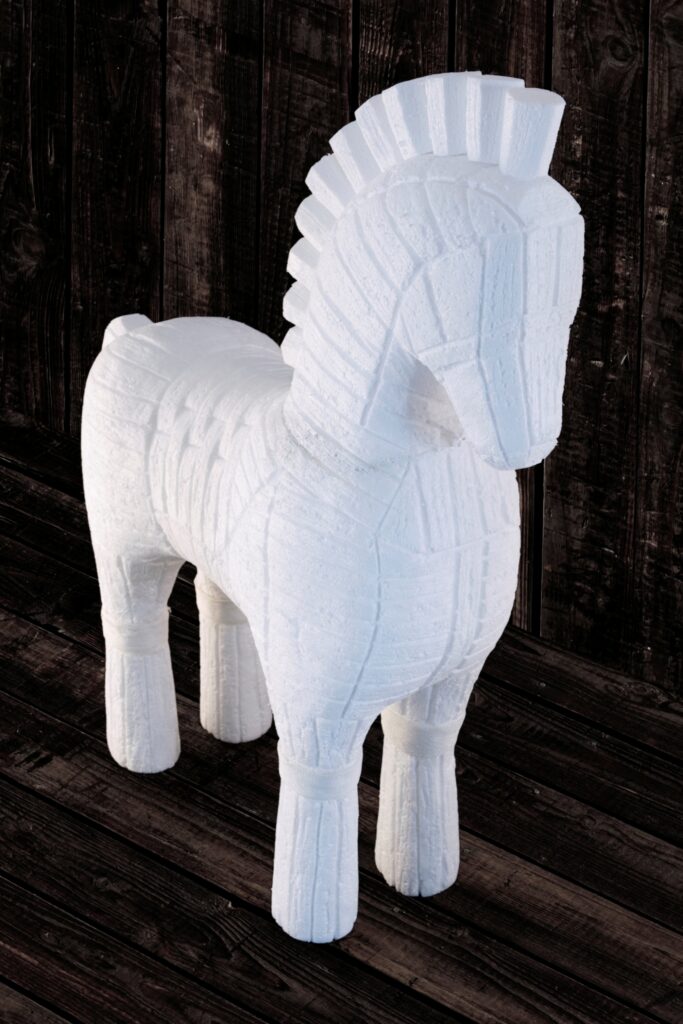
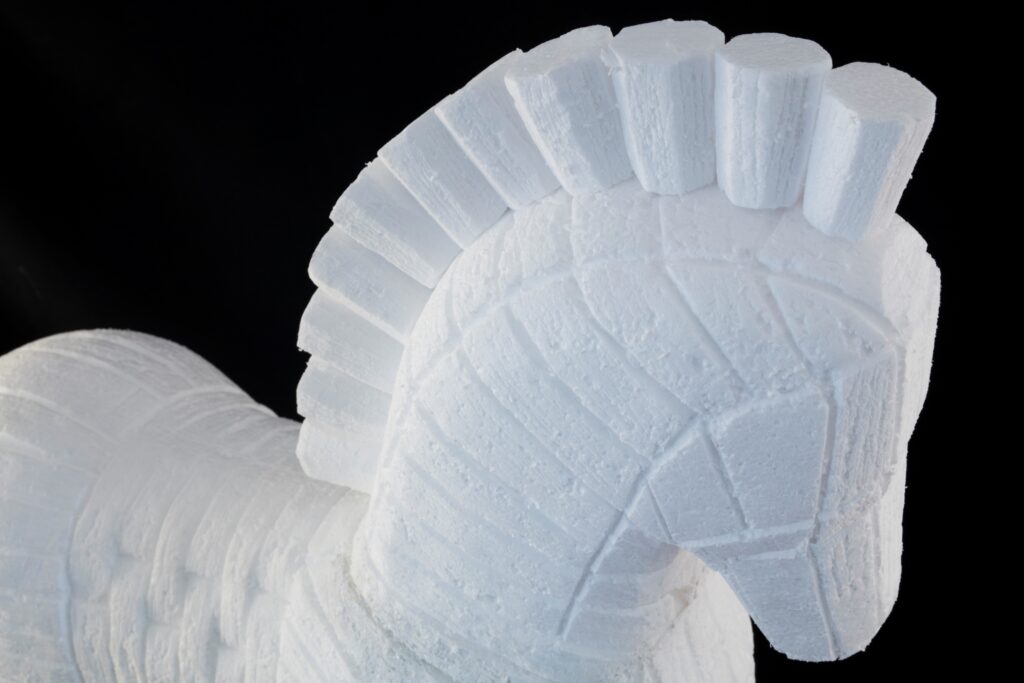
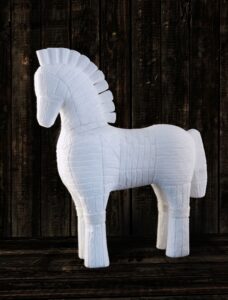
“Trojan Horse” examines what happens when humans introduce something into that relationship without understanding its future consequences. Plastic was celebrated for its usefulness and convenience and became part of everything around us. After we use it, however, we often separate ourselves from the waste, as if it is no longer connected to us. But plastic does not disappear. It persists in the environment and can eventually return to us. Like the Trojan horse, something we willingly welcomed can carry consequences we did not initially see.
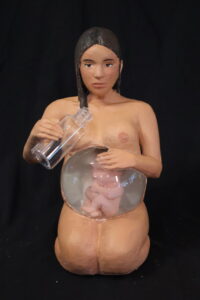
Within
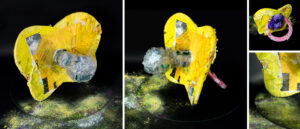
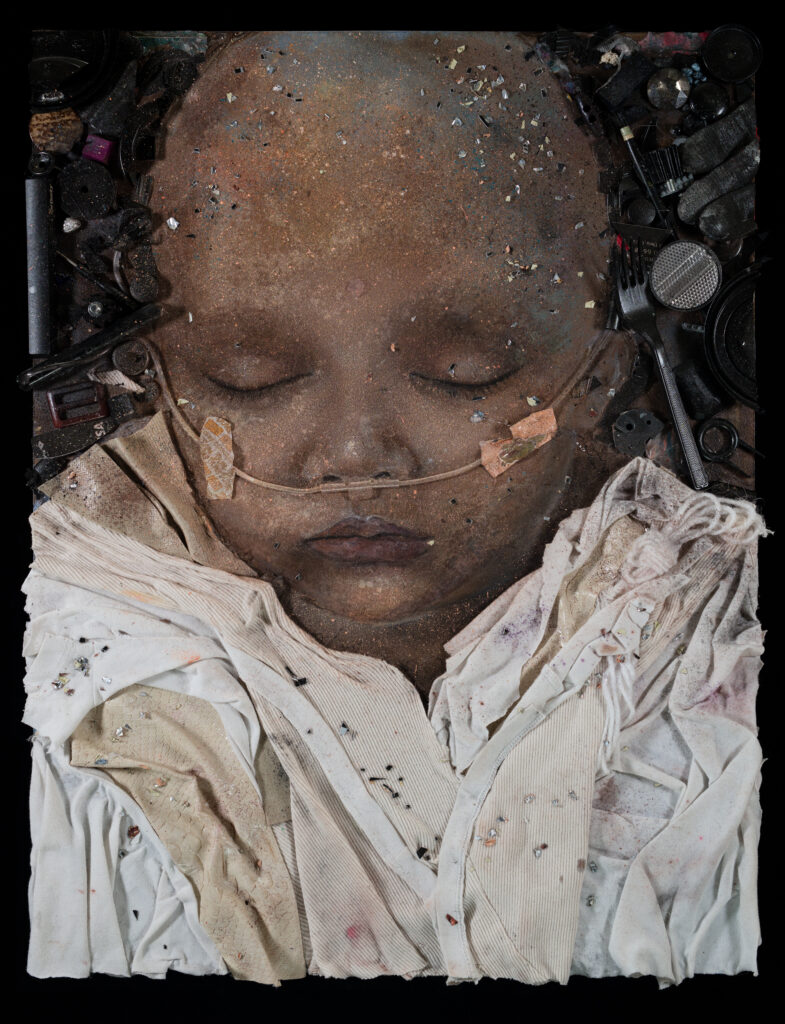
Plastic consumed by a mother can break down into small particles and enter the body. Recent studies have found microplastics in human placentas, raising concerns that environmental exposures during pregnancy may affect the fetus. What enters a mother’s body does not necessarily remain with her alone; it can become part of the environment in which her baby grows.
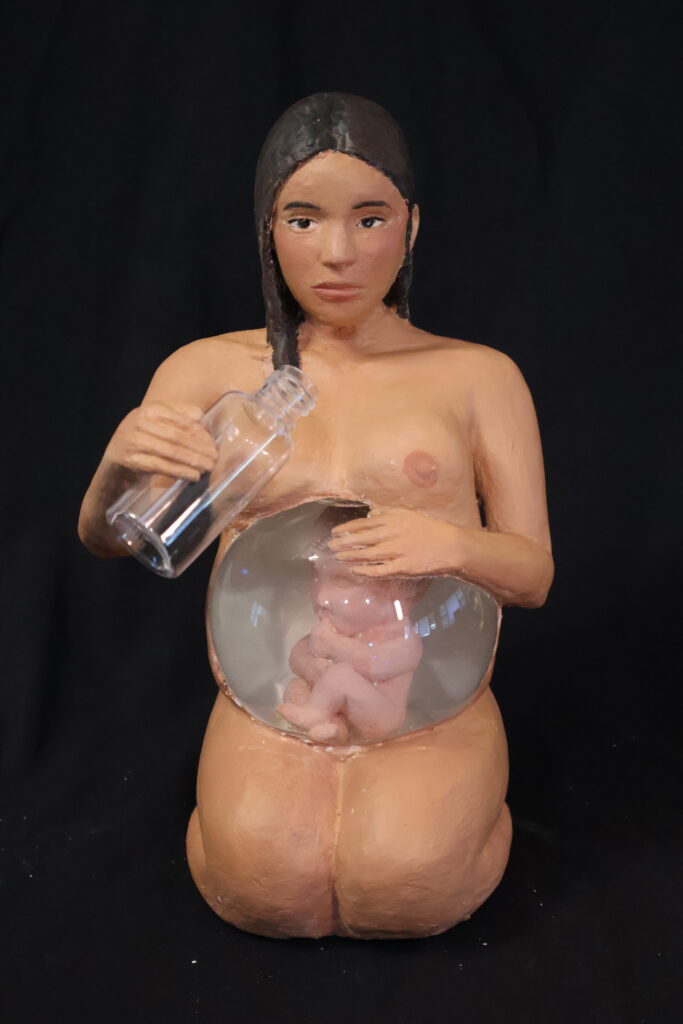
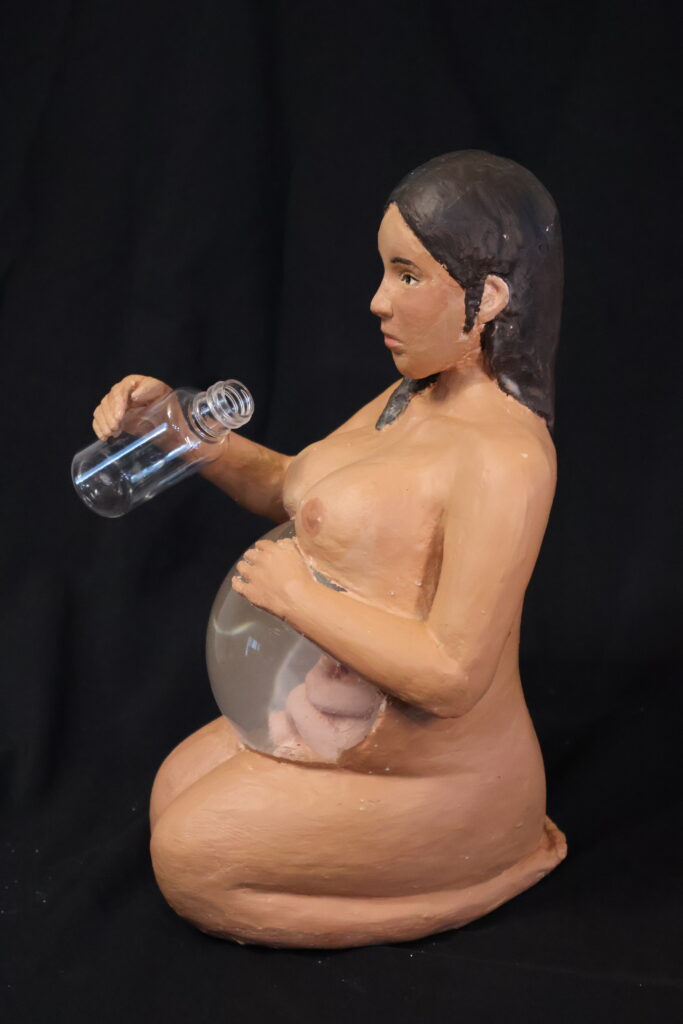
Within, Mixed Media 2026
Nature in Balance
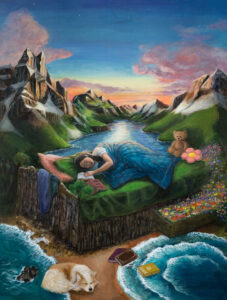
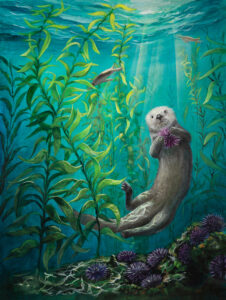
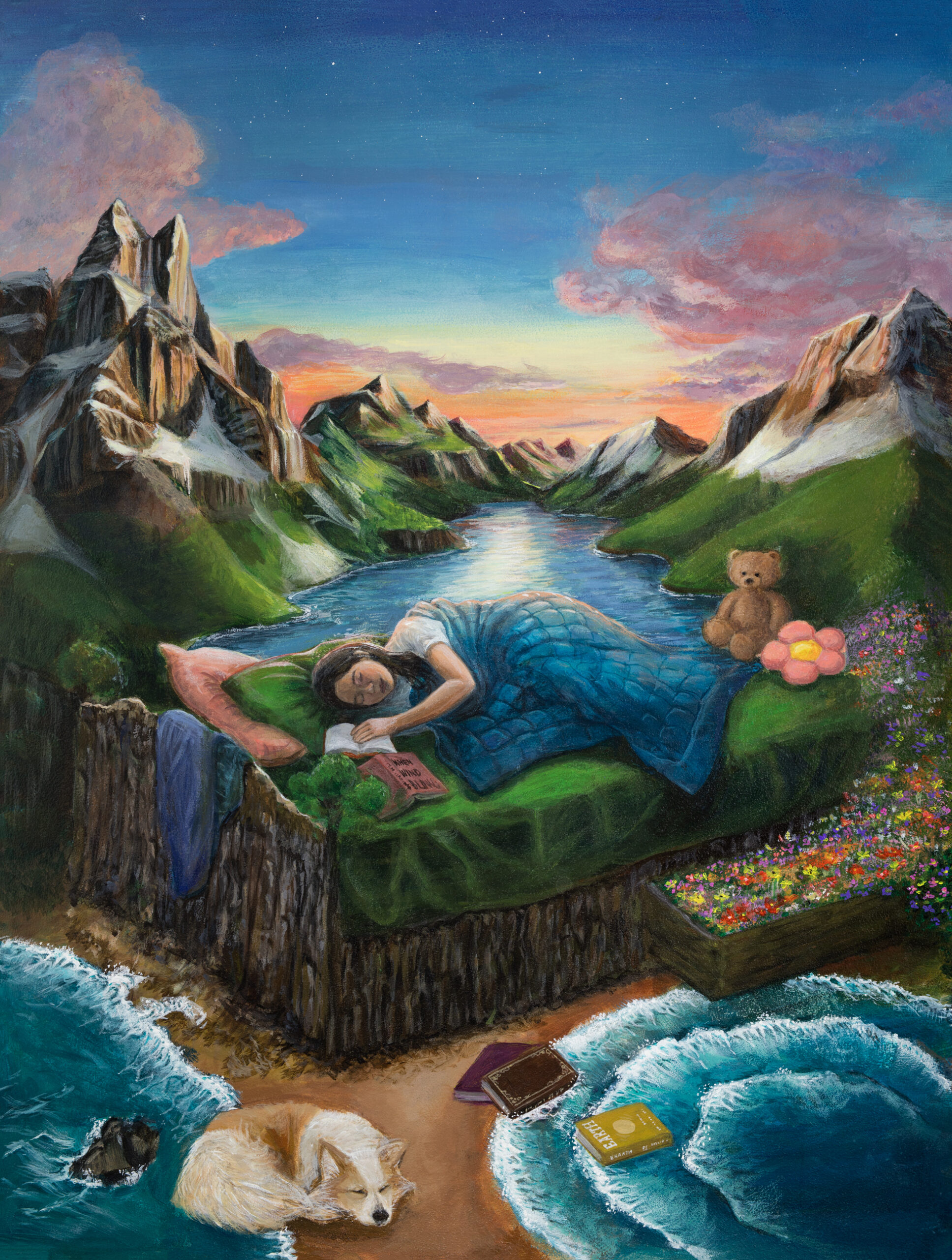
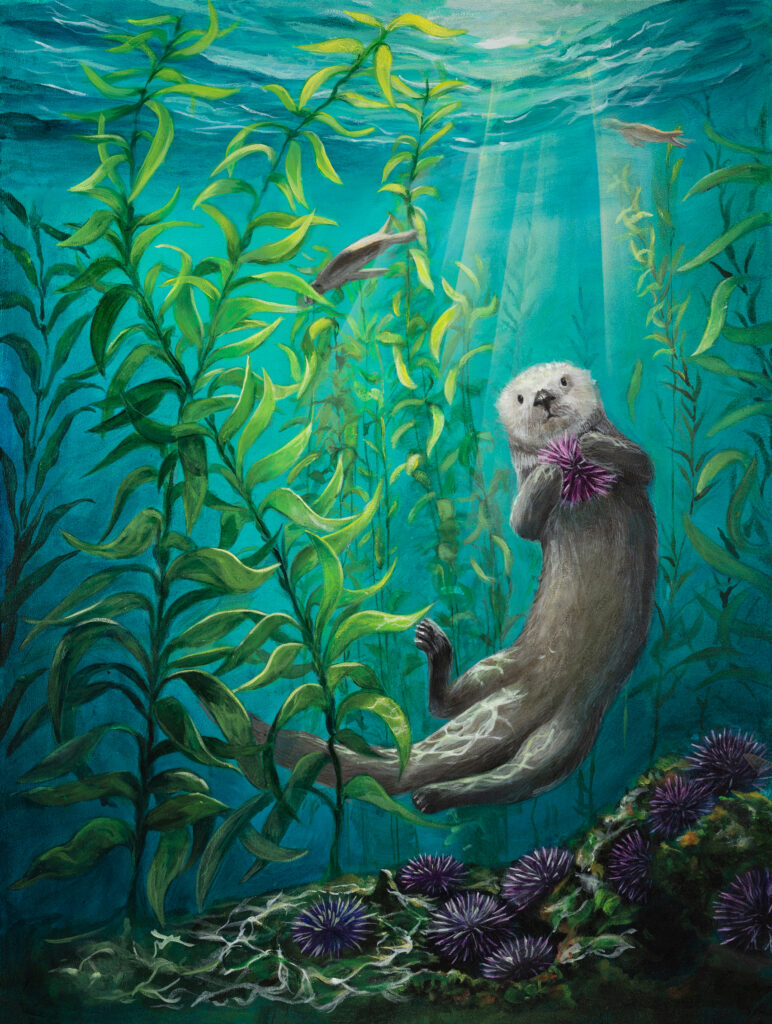
These works show different sides of the relationship between humans and nature that I explore in my art. Some focus on what nature provides—beauty, balance, comfort, and nourishment. “Blanketed by Nature” focuses on the comfort nature can provide. The figure is surrounded by nature almost as if it were a blanket, creating a peaceful, restful relationship between the person and the environment. I also want to show why our relationship with nature matters and what we receive from it.
Studies of Self and Connection
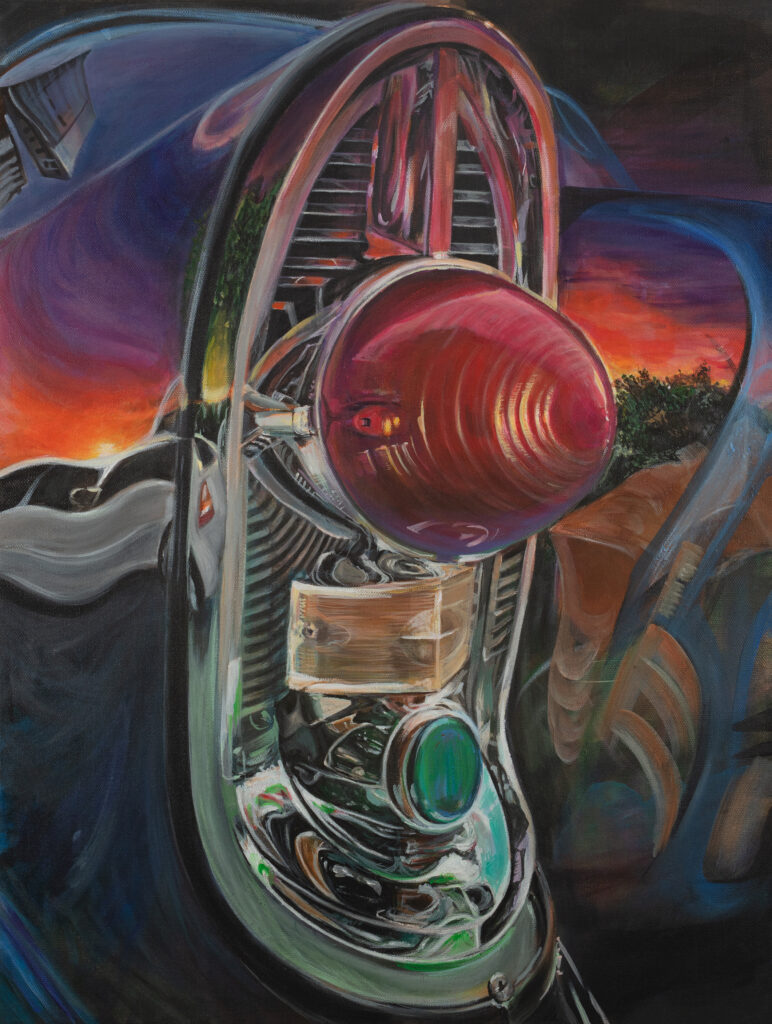
Understanding myself is also a way of understanding how we live together.